
Vietnam’s Path to an Investment-Grade Rating

Vietnam sits on the precipice of becoming an investment-grade rated country, currently essentially one notch below investment grade. Achieving investment grade status would: 1) lower Vietnam’s cost of funding; 2) facilitate large-scale infrastructure development; and 3) support the country’s stock market by unlocking access to a wider group of global institutional investors.
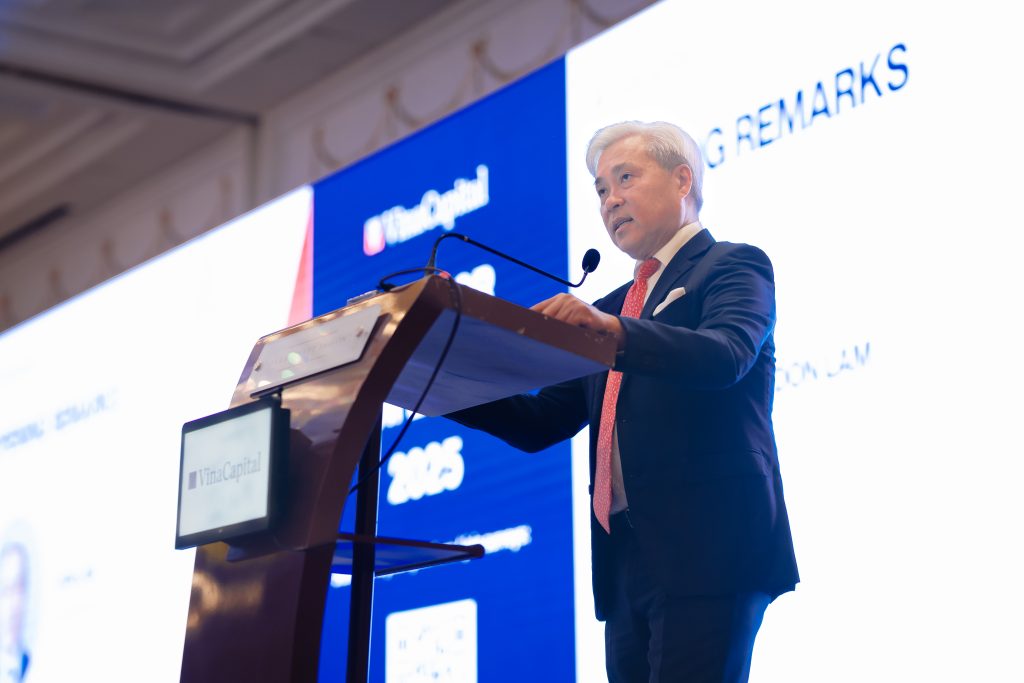
VinaCapital’s 2025 Annual Investor Conference: Vietnam 2.0
This past Sunday, Prime Minister Pham Minh Chinh convened a meeting of the Private Sector Development Committee (Committee IV)
Vietnam’s Emerging Markets Upgrade: Reclassification Expected in September 2026

FTSE Russell announced the reclassification of Vietnam from Frontier to Secondary Emerging Market (EM) status, with an effective date on Monday, September 21, 2026, subject to an interim review in March 2026.
Formalizing Vietnam’s Digital Assets Markets

This past Sunday, Prime Minister Pham Minh Chinh convened a meeting of the Private Sector Development Committee (Committee IV)
VinaCapital Executives Meet with Government Committee on Private Sector Development
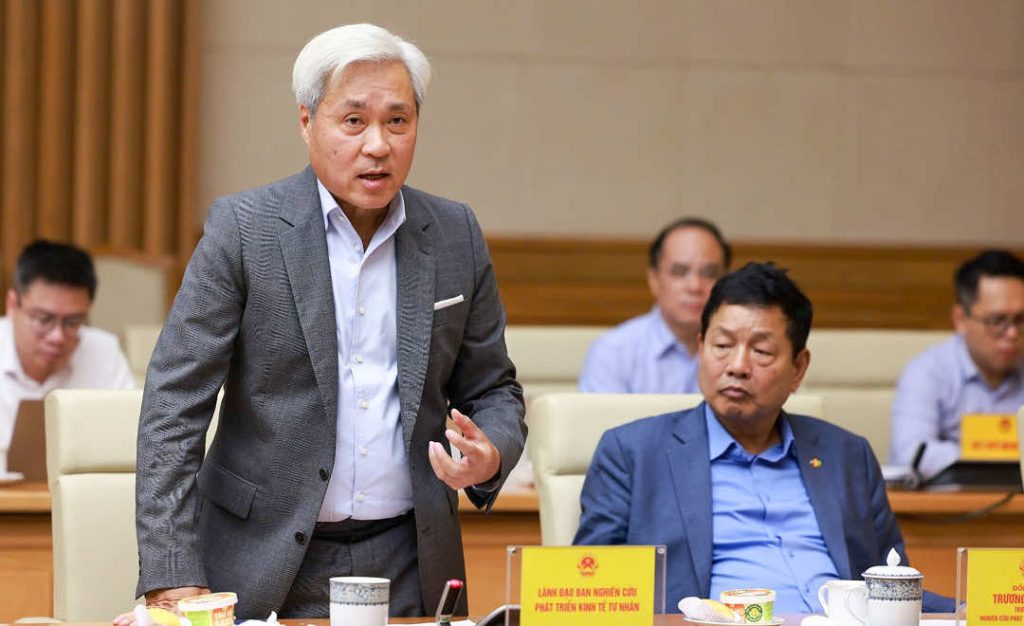
This past Sunday, Prime Minister Pham Minh Chinh convened a meeting of the Private Sector Development Committee (Committee IV)
Doi moi 2.0: From ambitious announcements to positive outcomes

Vietnam is undergoing a major transformation—what many are calling “Doi Moi 2.0″—characterized by a major shift in how the Government sets priorities and delivers results. The most recent development in this reform trajectory happened on July 19th in a speech in which Secretary General To Lam expressed his view that the basic reform frameworks/building blocks […]
Vietnam infrastructure spending surges 40%
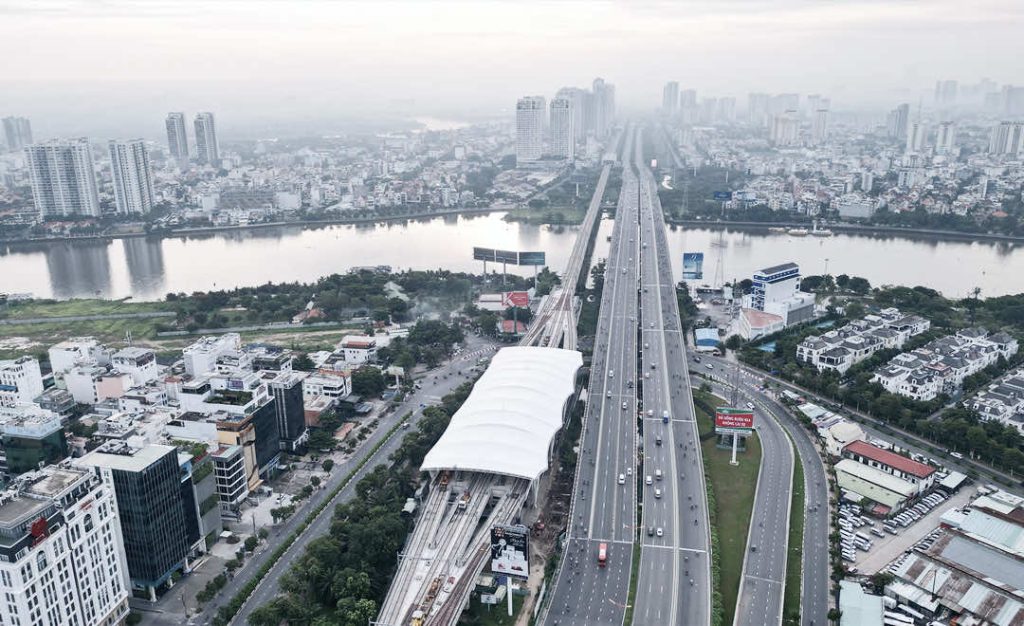
Vietnam is embarking on sweeping reforms across both the public and private sectors that some are calling “Doi Moi 2.0.” These initiatives aim to boost the country’s GDP growth potential by increasing the (already highly significant) role of the private sector in the economy, streamlining the Government’s own operations, and addressing other sources of inefficiency […]
Vietnam and US make progress on trade negotiation

Following a call with General Secretary To Lam on Wednesday (July 2nd) evening, President Trump announced that the US has reached an agreement with Vietnam on tariffs – the first with an ASEAN country. Despite the fact that many details are yet to be determined¹, the agreement creates “a framework for a fair and balanced […]
Resolution 68: A new dawn for Vietnam’s private sector

Last week, the Vietnamese Communist Party’s Politburo issued Resolution 68, a landmark directive poised to redefine the landscape for private enterprise in Vietnam. Hailed as a historic “turning point,” the resolution fundamentally elevates the status of the private economic sector, explicitly identifying it as “the most important driving force of the national economy.” This represents […]
Doi moi 2.0: Vietnam’s government restructuring
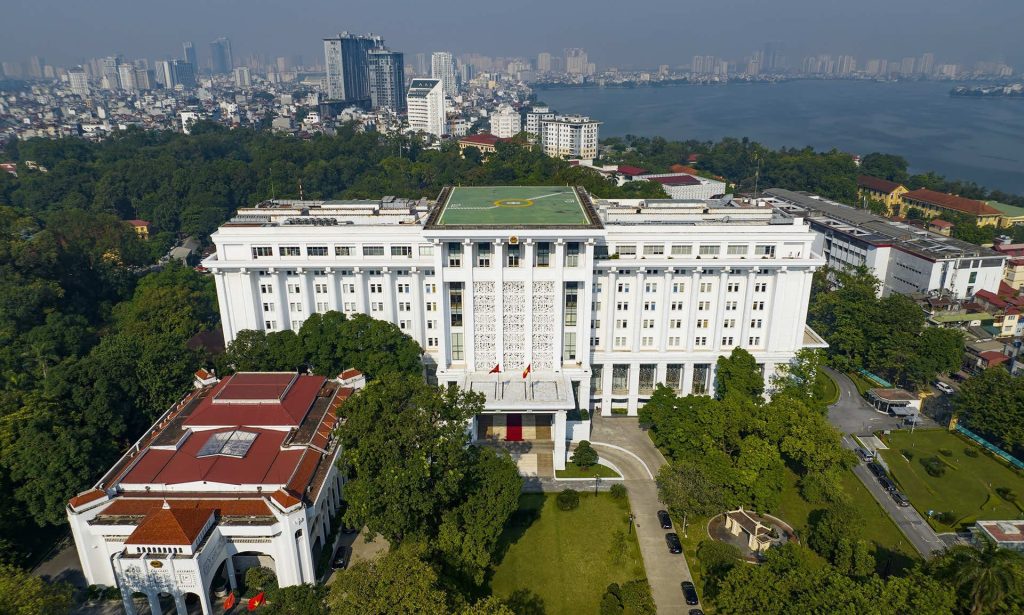
Vietnam’s Government is undergoing a major restructuring that many are calling “Doi Moi 2.0,” a reference to the 1986 Doi Moi reforms that ushered in an era of extraordinary economic growth for the country. This restructuring has already reduced the number of departments at the central Government level from 22 to 17 (including the consolidation […]